Ukraine Strikes Saratov Oil Refinery in Overnight Attacks Across Russian Regions
Ukraine reportedly targeted several locations across Russia overnight on November 7, 2026, including the Saratov Oil Refinery and industrial facilities in Ro...
Ukrainian Drones and Missiles Hit Russian Refineries and Defense Plants in Overnight Wave
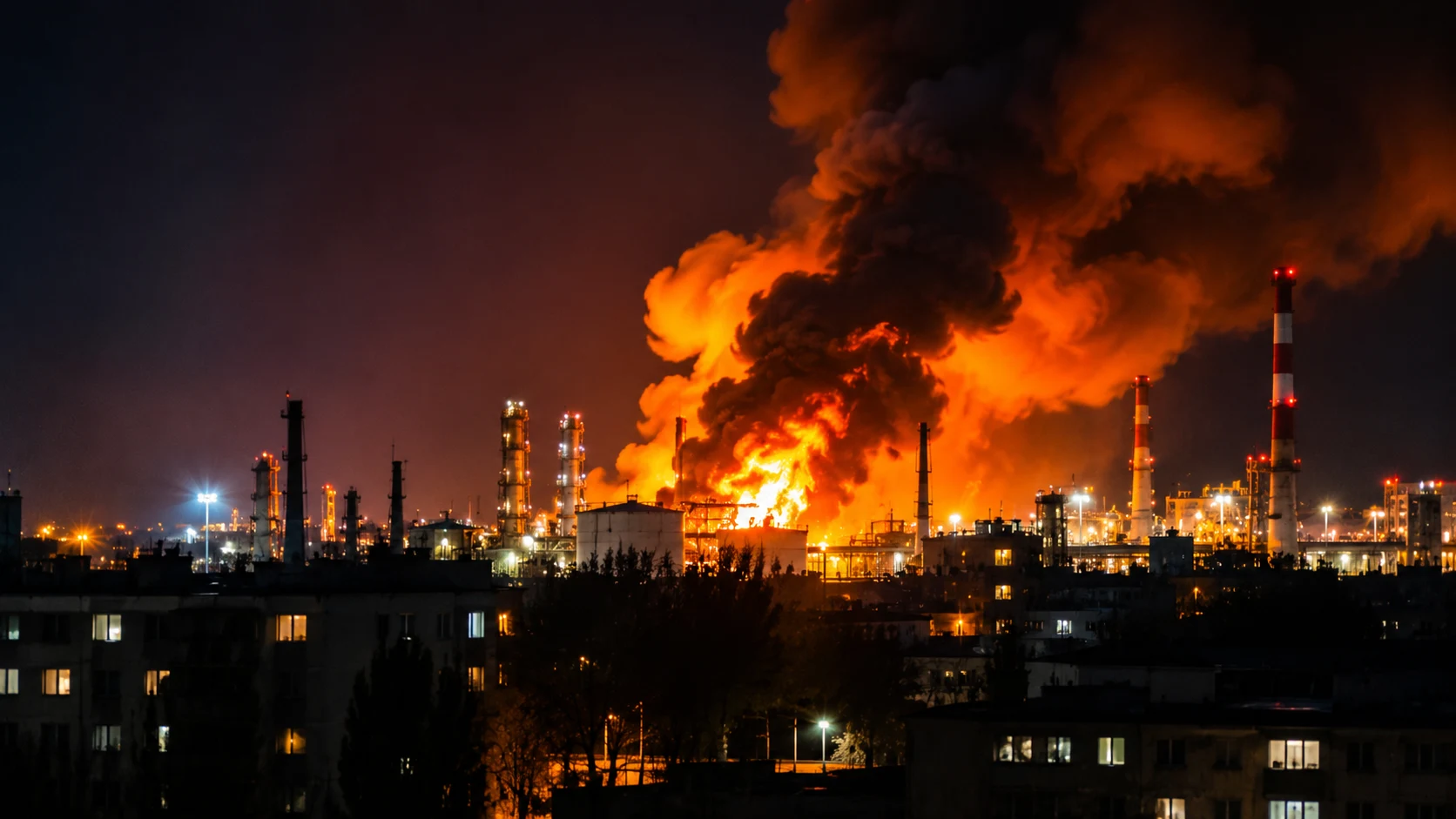
Overnight attacks on November 7 hit oil installations and industrial plants across western Russia. Explosions and fires broke out across four regions: Saratov, Rostov, Oryol, and Belgorod.
Ukrainian units aimed at fuel depots that supply frontline vehicles and manufacturing plants that produce guidance electronics for Russian weapons. Monitoring group Exilenova Plus and The Kyiv Independent verified blazes at several industrial sites before sunrise.
Fire at the Saratov Oil Refinery
The deepest strike landed in the Saratov region along the Volga River, roughly 600 kilometers from the Ukrainian border.
Monitoring channel Exilenova Plus published video clips that showed heavy smoke and fire at the Saratov Oil Refinery. The facility processes millions of tons of crude oil each year and supplies motor fuels across central Russia.
Emergency crews worked through the morning hours to extinguish the blaze. Regional officials confirmed an industrial incident on site, but state authorities withheld specific details about damage to distillation towers and fuel reservoirs. Ukrainian planners want to throttle fuel deliveries to frontline bases by hitting refining capacity deep inside Russia.
Electronics and Defense Plants in Oryol and Rostov
The strikes also targeted factories that supply the Russian military.
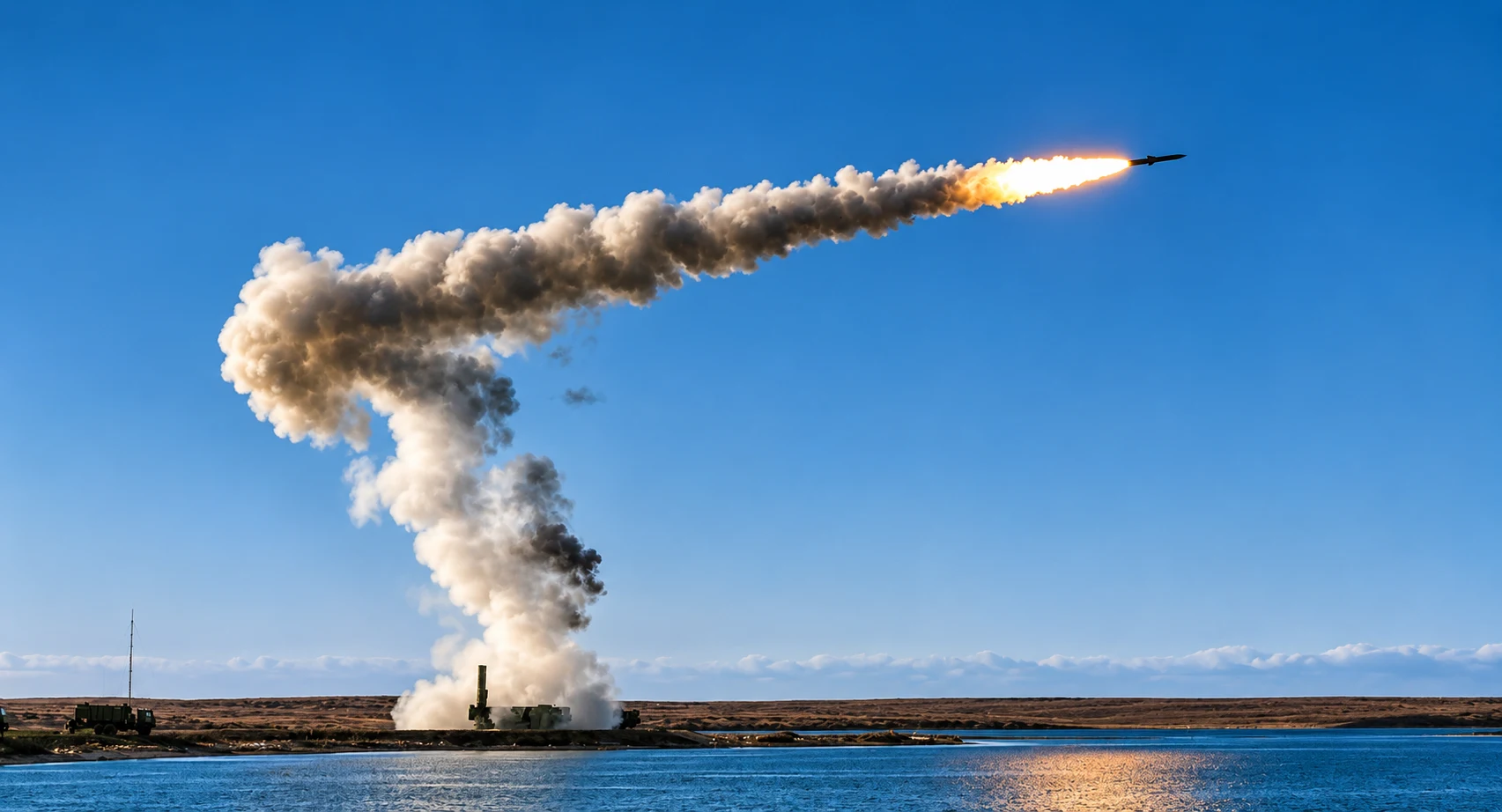
In the western city of Oryol, explosions rocked the Proton electronics plant. The factory produces semiconductors, microchips, and electronic relays for Russian military assemblies, such as flight computers and radar sets. Russian military commentators on Telegram claimed that Ukrainian forces used "Flamingo" missiles in the strike. Independent analysts have not verified the munition type, but Ukrainian strikes on the plant directly threaten Russia's access to microchips for guided weapons and military radios.
In Rostov, emergency teams responded to a large fire near the Almaz factory. The plant builds military communications systems and radar units. Residents posted videos of secondary explosions in the district, but local authorities gave no official damage report.
Air Defense Fire in Belgorod
Closer to the frontline, sirens sounded across the city of Belgorod throughout the night.
Russian air defense crews fired interceptor missiles into the darkness to repel incoming strike drones. Monitoring channels confirmed that several drones exploded above residential streets after mid-air interceptions.
City authorities did not publish immediate casualty numbers or name the intended targets. Belgorod is a primary logistics hub for Russian troops in northeastern Ukraine. Its train yards and fuel storage depots have come under frequent attack since the start of the war.
Consecutive Strikes on Fuel Refineries
The Saratov hit follows a similar strike 24 hours earlier. On November 6, Ukrainian drones struck the Afipsky refinery in Krasnodar Krai. The attack set processing units on fire and caused secondary explosions across the grounds.
Ukraine is deliberately targeting distillation towers rather than oil wells. These units cost millions of dollars and rely heavily on specialized Western components that Russia cannot easily import. When Ukrainian forces strike facilities hundreds of miles apart on consecutive nights, Russian commanders must pull air defense batteries away from the front line to shield domestic infrastructure.
Common Questions About the Strikes
Which Russian areas saw explosions on November 7?
Blasts and fires were reported in Saratov, Rostov, Oryol, and the border town of Belgorod. The attacks ranged from border areas to sites hundreds of kilometers inside Russian territory.
How badly was the Saratov refinery damaged?
Footage posted by Exilenova Plus showed large fires burning inside the plant. Firefighters contained the blaze by morning, but local officials have not stated whether distillation towers were destroyed.
Why did Ukrainian drones attack the Proton plant in Oryol?
Proton produces microchips and semiconductors for Russian military gear. Hitting the site disrupts the production of guidance circuits for Russian missiles and air defense systems.
Why are refinery strikes such a big problem for Moscow?
Strikes on plants like Saratov and Afipsky cut directly into fuel reserves for Russian armor, trucks, and military jets. They also force Moscow to pull surface-to-air missile systems away from Ukraine to guard domestic factories.
ImageSource: ChatGPT
श्रेणी (Category): Defence & Security