Iran's Growing Military Threats: European Bases, Nuclear Policy and Global Oil Risks
Iran's growing military warnings against the US and Israel have raised concerns about European security, nuclear policy and global oil markets. Here's what t...
Tehran’s Dangerous Calculation: Why Iranian Hardliners Are Threatening European Bases and the NPT
The Deterrence Deficit: Why Past Strikes Failed
The root of Tehran’s anxiety is simple: Israel called its bluff.
During a panel on state television, foreign policy analyst Mostafa Najafi laid out the establishment's frustration. He argued that Iran's previous military operations imposed too few costs on Israel to change its strategic calculations. Waiting weeks to launch choreographed missile volleys gave adversaries time to ready air defenses and coordinate with US forces.
Najafi’s conclusion echoed widely across conservative media.
Any future response, hardliners insist, must be immediate, asymmetric, and far more damaging. It cannot wait for military protocols. Commentators close to the security establishment urge commanders to hit energy grids and commercial infrastructure. In their view, widespread economic pain is the only way to halt further Israeli airstrikes.
Public commentary on state television does not equal signed military orders. But in Iran's managed media environment, these debates never happen by accident. They act as trial balloons. The leadership wants to project absolute strength because it feels deeply vulnerable on the ground.
Mapping Targets in Europe
The most alarming shift in rhetoric is geographical.
State-aligned publications have begun arguing that if the United States directly participates in another assault on Iranian soil, American forces outside the Middle East should be fair game.
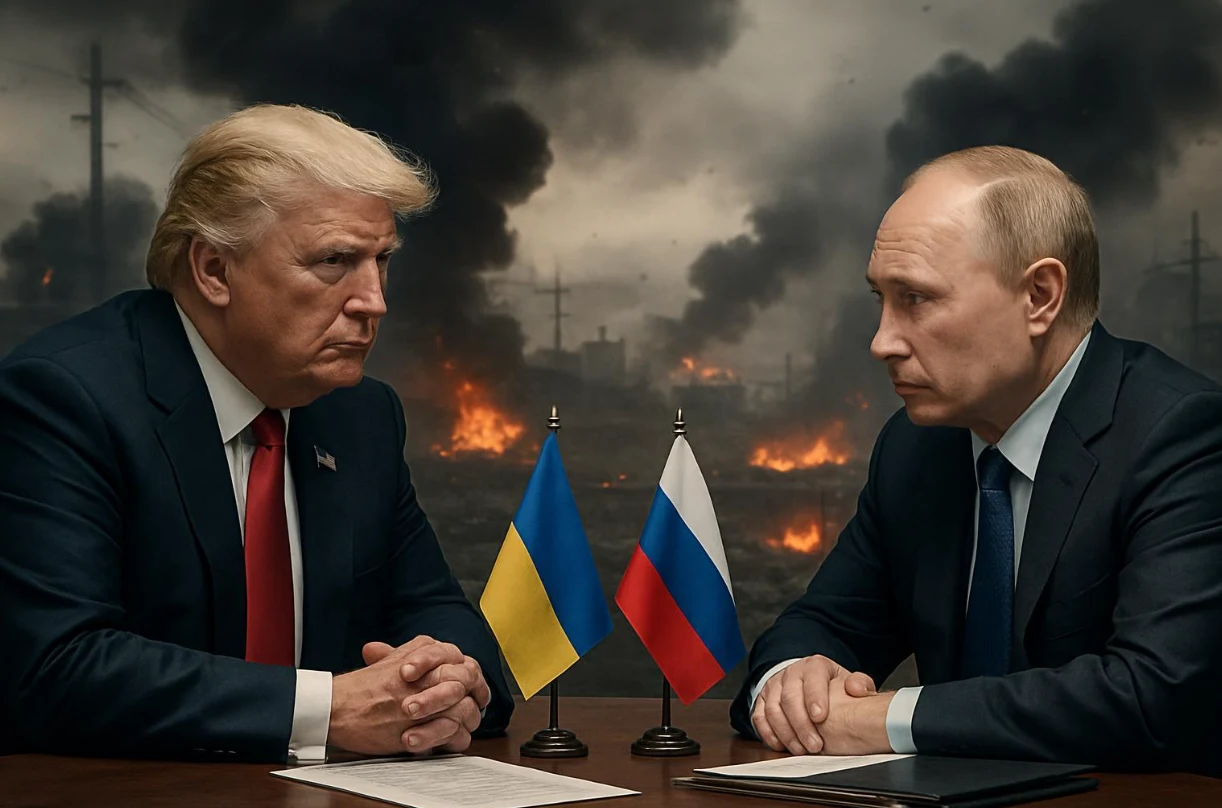
Tehran’s daily newspaper Hamshahri recently published graphics that mapped out American logistical hubs and military bases across Europe. The editorial made a blunt case: US staging grounds in allied nations provide direct support for Middle Eastern operations, so they belong on Iran's target list.
Striking American facilities on European soil would be catastrophic.
It would trigger NATO mutual defense commitments and drag the continent directly into open conflict. Western defense officials view the threat as psychological warfare rather than an executable military doctrine. Iran's conventional ballistic missiles cannot reliably strike Western Europe, and its drone networks face heavy regional air defenses.
Still, the political messaging is deliberate. Tehran wants European capitals to fear a regional spillover. The goal is to force European leaders to lobby Washington for restraint.
Playing the NPT Card
The shift in nuclear rhetoric is even more consequential.
For decades, the Islamic Republic insisted its nuclear program was purely peaceful. It cited a religious fatwa by Supreme Leader Ali Khamenei that forbade weapons of mass destruction. Today, commentators in Tehran openly demand that the regime scrap that doctrine.
Hardline voices argue that if Iranian sovereignty faces an existential threat, the government should suspend its obligations under the Nuclear Non-Proliferation Treaty or withdraw from the agreement entirely.
Threatening an NPT exit is the ultimate diplomatic cudgel.
Iran has already enriched uranium to 60% purity, just a short technical hop from weapons-grade 90%. Walking away from the non-proliferation treaty would expel international inspectors and leave Western intelligence agencies blind to breakout timelines.
Government officials have not formally endorsed an NPT exit. But they let media surrogates float the threat. Tehran wants to remind Washington of the cost of cornering the Islamic Republic.
The Strait of Hormuz and Global Energy Markets
While European bases and nuclear exits remain long-term threats, Iran holds an immediate economic weapon right at its doorstep.
The Strait of Hormuz is the world's most vulnerable maritime chokepoint.
Roughly one-fifth of the world’s petroleum moves through this 39-kilometre waterway. The strait links the Persian Gulf to the open sea. Iranian commentators repeatedly issue a plain warning: if Israeli or American strikes cripple Iranian oil refineries, Gulf shipping lanes will close for everyone else.
Any prolonged disruption instantly shocks international markets.
Maritime insurers cancel war-risk policies or raise vessel premiums to prohibitive levels. Crude prices quickly break past record territory, and Asian importers bear the primary costs. India relies on overseas suppliers for more than 80% of its oil, so a closed strait means runaway domestic inflation, severe trade deficits, and a battered rupee.
This exposure explains the anxiety in Saudi Arabia and the United Arab Emirates. Both governments are urging Washington to prevent retaliatory strikes that could pull their own economies into the crossfire.
Backchannel Diplomacy in Doha
While pundits on state television talk about war, Iranian envoys are quietly looking for a deal.
Diplomats in Tehran remain in close contact with Washington through regional middlemen. Qatar is once again hosting the indirect talks.
On November 5, Reuters reported that Iranian officials sent a private proposal to Washington through Qatari intermediaries. The proposal offers regional de-escalation if the United States lifts economic sanctions, provides security guarantees, and protects Iranian oil exports. A senior Iranian official confirmed that talks will not advance without movement on those points.
This approach divides the labor between media hardliners and career diplomats. Commentators rattle sabers on evening television to build pressure, while negotiators in Doha offer diplomatic compromises in return for economic relief.
The next move belongs to Washington. US officials must decide whether to engage Tehran's private offer or dismiss it as empty posturing.
What Readers Need to Know
Has Tehran issued actual attack orders against American bases in Europe?
No. State-aligned newspapers like Hamshahri ran maps of American military bases in Europe, but commanders in Tehran have issued no combat directives. European officials and Western analysts view the coverage as political posturing.
Why are Iranian commentators talking about leaving the NPT?
Hardliners argue that past strikes failed to deter Israel. They want to use an NPT exit as direct leverage so Washington agrees to lift trade sanctions and provide explicit security guarantees.
What happens if traffic stops in the Strait of Hormuz?
About 20% of the world's crude oil moves through this 39-kilometer passage. Tanker attacks, naval skirmishes, or sea mines would send global crude prices soaring overnight. Major Asian buyers like India would absorb immediate energy inflation and punishing import bills.
Are Washington and Tehran still talking behind the scenes?
Yes. Despite public threats on television, Iranian envoys sent a private compromise to Washington on November 5 through Qatari diplomats. Tehran wants sanctions relief in exchange for regional stability.
ImageSource: ChatGPT
श्रेणी (Category): Defence & Security