Russia Expands Missile Stockpiles as Kh-101 Production Faces Technical Defects
Russia continues expanding its missile arsenal and modernizing Oniks missiles, while Ukraine's Defence Intelligence reports technical defects affecting Kh-10...
Russian Missile Stockpiles Grow as Factory Flaws Hobble Key Weapons
Russia is sitting on nearly 700 ballistic missiles and hundreds of cruise weapons, but its assembly lines are starting to show deep strain.
Ukraine's military intelligence service (HUR) published a fresh audit of Moscow's strike reserves on November 4, 2026, through defence portal Militarnyi.
The numbers reveal an arms sector split right down the middle. Factory floors can still pump out basic ballistic rockets and rework older naval inventory. But when it comes to sophisticated air-launched cruise missiles, basic mechanical parts keep failing in the air.
Where Russia's Missile Stockpiles Stand
Depot counts from October 2026 put Russia's ballistic reserves at roughly 700 weapons.
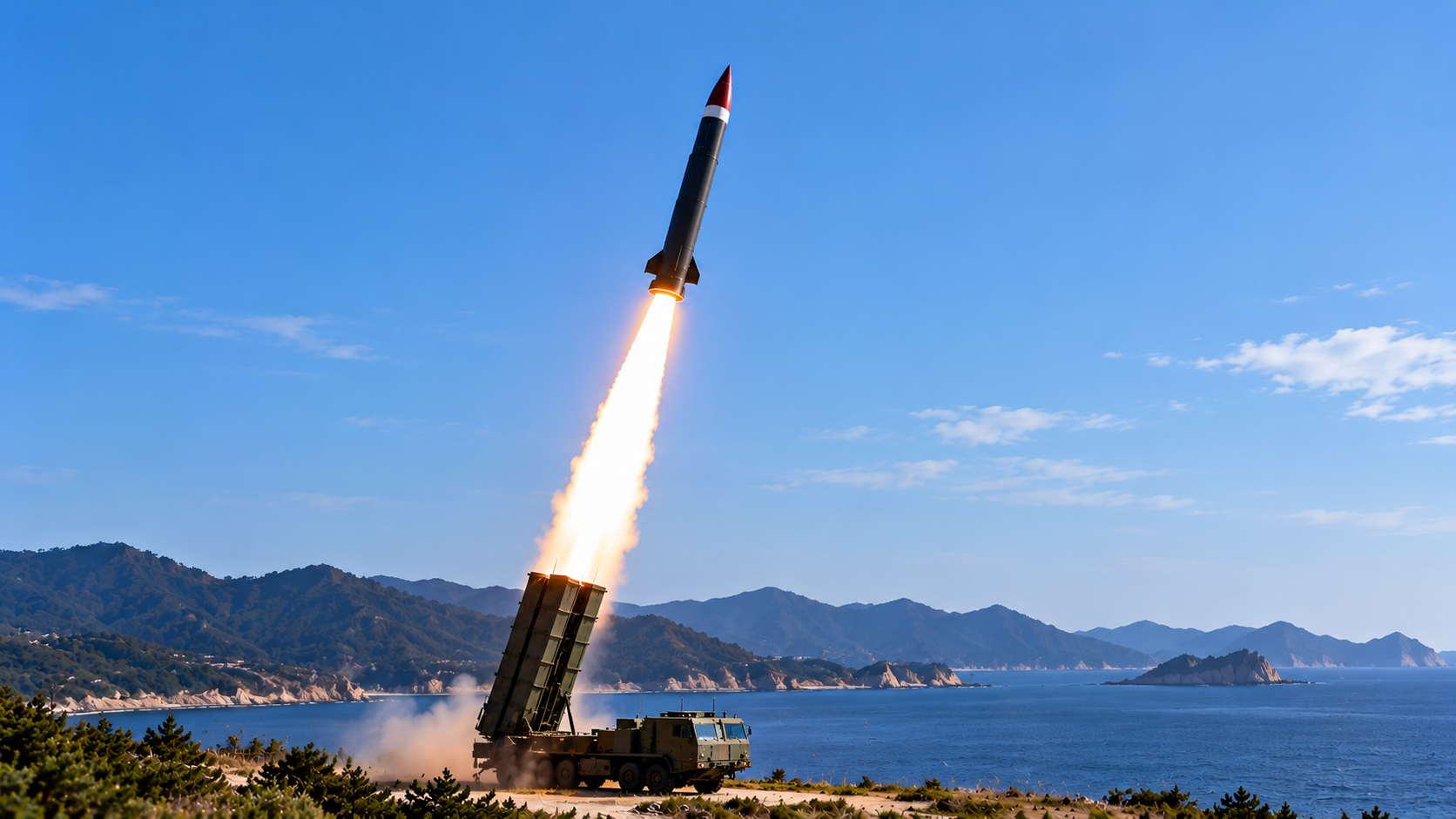
The most common tactical weapon remains the Iskander-M (9M723), with roughly 115 units ready for combat. Assembly plants deliver around 65 new Iskanders each month, and designers are already flight-testing an extended variant capable of reaching targets 550 to 700 kilometres away.
Naval stockpiles look very different.
The Russian Navy holds over 450 Kalibr cruise missiles, adding about 29 fresh units to its inventory every month. Russian fleet commanders are tucking most of those new deliveries straight into bunker storage rather than expending them in daily strikes.
For close-range ground attacks, Russian units rely heavily on the S-400 system's RM-48U missiles, keeping around 400 in storage and manufacturing 40 more every month.
Hypersonics, by contrast, are trickling out of factories at a snail's pace. The military has about 120 3M22 Zircon missiles, having managed to build barely 30 throughout the first seven months of 2026.
Why Kh-101 Cruise Missiles Are Failing at Launch
The biggest headache for Russian air commanders right now is the Kh-101.
Fired from long-range Tu-95MS and Tu-160 bombers, the Kh-101 is Moscow's primary standoff cruise missile. Factories face strict orders from the Kremlin to turn out more than 80 of these weapons every month.
Workers are hitting those delivery targets. But field crews are discovering severe mechanical faults.
Ukrainian intelligence reports that newly built Kh-101s frequently fail to detach from bomber wing pylons after flight crews hit the launch switch. A cruise missile hung up on a wing rack creates an immediate in-flight hazard, throwing off the aircraft's trim and forcing pilots to scrub the sortie.
Because of this defect, air force inspectors have rejected several factory shipments, sending them back to the Raduga Design Bureau in Dubna so technicians can tear down the release hardware and fix the fault.
Kinzhal Lines Freeze as Naval Oniks Gets Repurposed
Trouble has also hit the Kh-47M2 Kinzhal aeroballistic missile.
Ukrainian intelligence notes that Moscow paused Kinzhal assembly entirely after flight tests showed chronic targeting and guidance flaws. Rather than wasting imported microchips on inaccurate weapons, plant managers redirected those production lines to build reliable Iskander ballistic missiles instead.
To make up for lost strike power, the military is turning back to its naval shelves.
Russia still holds over 600 3M55 Oniks missiles, having turned out another 55 during the first seven months of 2026. The Oniks started life as a specialised anti-ship missile designed to sink ocean-going warships.
Engineers have spent the past year adapting the weapon for land warfare.
Modernised Oniks rounds carry heavier explosive payloads, fly farther, and carry upgraded radar seekers that can pick out fixed land targets along coastal and inland sectors. Repurposing old anti-ship stock gives the army a heavy bombardment weapon without the delay of inventing a new design from scratch.
Inside the Factories: Speed Over Inspection
The defects flagged by Ukrainian intelligence point straight to the bottleneck inside Russia's defence sector.
Arms manufacturers have largely solved the initial sanctions shock, smuggling Western microchips and guidance chips through commercial shell companies in Central Asia and the Gulf. The real hurdle is human labour.
Russian factories are running exhausting three-shift days without enough experienced toolmakers, machinists, and testing engineers. When shop-floor bosses must hit rigid monthly targets, quality inspections take a back seat. Solder points crack, release latches fail, and guidance gyros drift.
None of this means Russia is running out of firepower. A stockpile of 700 ballistic missiles and hundreds of cruise weapons remains a lethal threat.
What it does show is that Russia's wartime economy is pushing factories past their limits. Rushing missiles out the door is one thing. Building weapons that actually launch and hit their targets is another.
Key Questions Answered
What does Russia's missile reserve look like right now?
Ukrainian intelligence tallies roughly 700 ballistic missiles, over 600 Oniks anti-ship variants, 450 Kalibr cruise missiles, 400 RM-48U rounds, 120 Zircons, and 115 Iskander-Ms in active depots as of October 2026.
Why are Kh-101 missiles being sent back to the factory?
Recent production batches have suffered launch-release failures, where the missile refuses to drop away from bomber wing pylons. Defective rounds were returned to the Raduga Design Bureau in Dubna for repairs.
Why was Kinzhal production halted?
Assembly of the Kh-47M2 Kinzhal was paused because of repeated guidance and accuracy defects. Production resources were shifted over to standard Iskander ballistic missiles.
How is Russia using older Oniks missiles?
The navy's 3M55 Oniks was refitted with heavier warheads and new radar software, allowing Russian units to fire the anti-ship missile at fixed targets on dry land.
ImageSource: ChatGPT
श्रेणी (Category): Defence & Security