Trump Claims a Ukraine War Deal Is Near. The Diplomacy Tells a More Complicated Story
Donald Trump claims a Russia-Ukraine peace deal could be near after meeting Russian envoy Kirill Dmitriev. But diplomatic challenges and unresolved disagreem...
Trump Claims a Ukraine War Deal Is Near. The Diplomacy Tells a More Complicated Story
Donald Trump is once again promising a swift end to Europe’s bloodiest conflict.
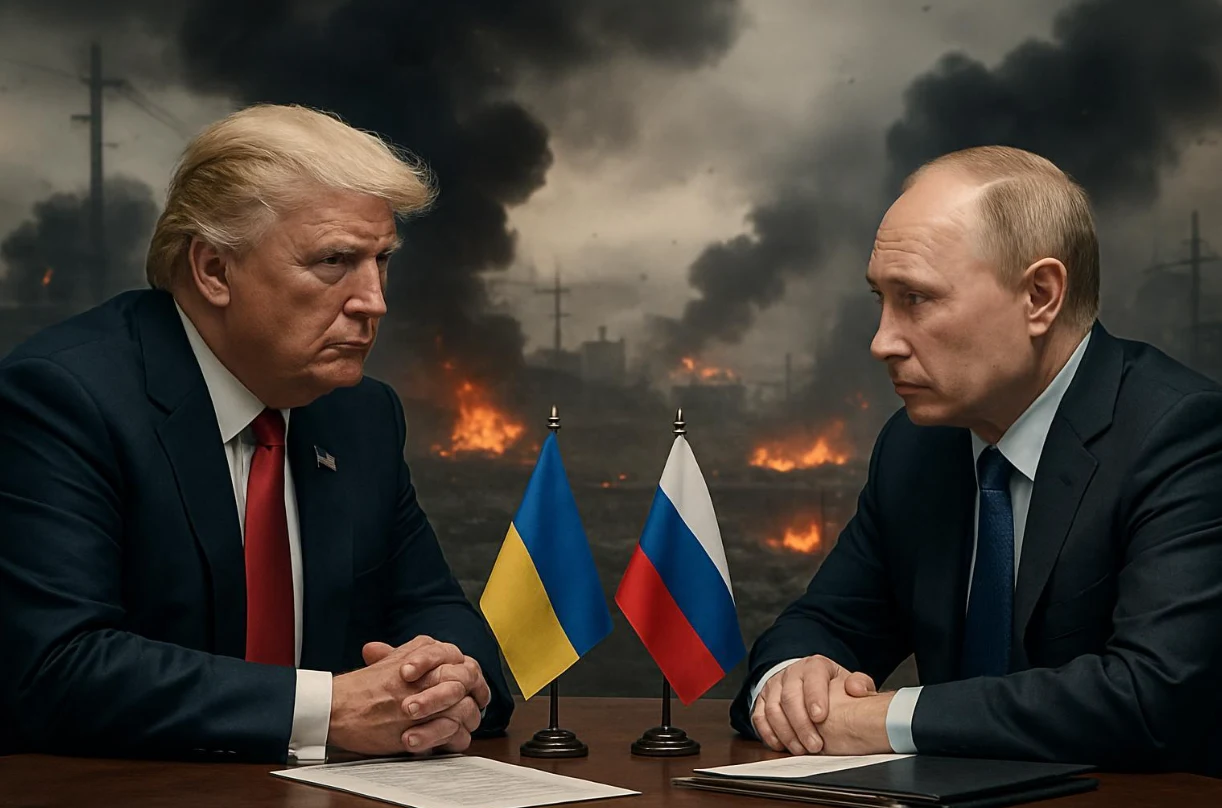
Speaking to reporters at the White House on Thursday, the US President declared that a major agreement to settle the Russia-Ukraine war could be within reach. The claim followed a private West Wing meeting between Trump and Kirill Dmitriev, a trusted special envoy for Russian President Vladimir Putin.
The rhetoric was vintage Trump.
He offered sweeping optimism, hinted at a deal covering broader European security, and refused to provide a single concrete term. Behind the political theater, however, genuine backchannel talks have started moving.
Melania Trump’s Humanitarian Room
The private meeting with Dmitriev grew out of an unusual diplomatic event on the executive floor.
First Lady Melania Trump hosted Russian and Ukrainian officials to mark the conclusion of a six-day local ceasefire in Oleshky, a Russian-occupied town in southern Ukraine's Kherson region. The temporary truce, which ran from October 27 through November 1, opened safe corridors for food deliveries and allowed nearly 800 civilians to evacuate.
The gathering brought key emissaries under one roof.
Moscow sent Dmitriev alongside human rights commissioner Yana Lantratova. Kyiv dispatched senior parliamentary leader David Arakhamia and Ukrainian ombudsman Dmytro Lubinets.
Melania Trump used the setting to urge both delegations toward formal diplomacy. She delivered personal letters addressed to Vladimir Putin and Ukrainian President Volodymyr Zelenskyy, handing them directly to the visiting officials.
Yet Donald Trump handled the visits unevenly.
The President pulled Dmitriev aside for a private conversation in the Oval Office. He pointedly chose not to meet Arakhamia, Lubinets, or any member of the Ukrainian delegation.
The optics were jarring.
Snubbing Ukrainian officials while hosting Putin’s emissary in private immediately alarmed European allies. Diplomatic protocol in wartime normally demands balance, especially from an administration pitching itself as an impartial dealmaker.
The Abu Dhabi Summit: November 10 and 11
The diplomatic circus now shifts from Washington to the Persian Gulf.
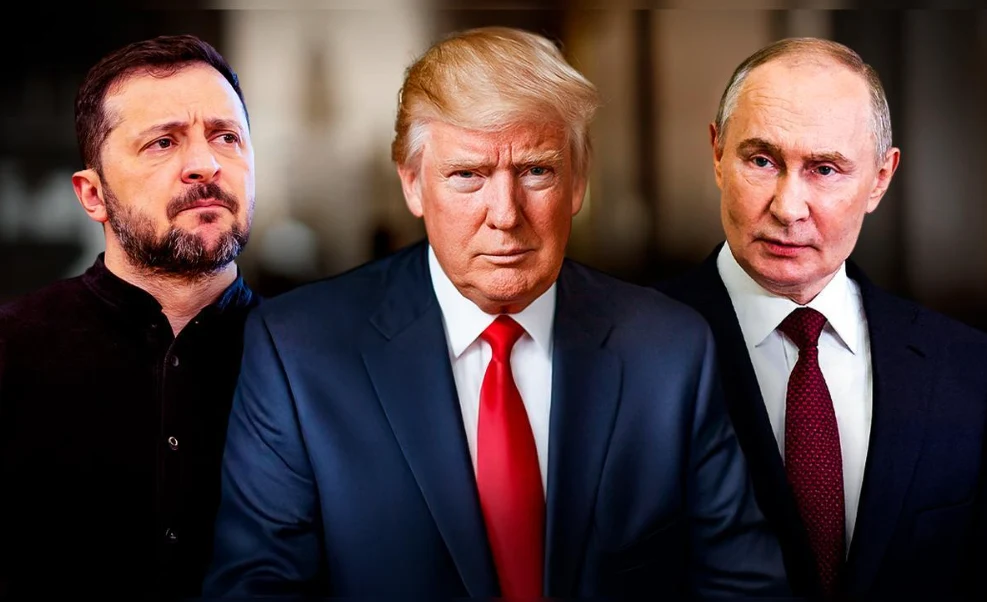
On November 10 and 11, the United States will convene Russian and Ukrainian delegations in Abu Dhabi, United Arab Emirates. American diplomats plan to chair the sessions, testing whether the limited trust built during local humanitarian pauses can translate into wider ceasefire talks.
Washington is also conferring with European allies about postwar security arrangements.
American officials want to see if Moscow will accept binding security commitments for Ukraine in exchange for broader discussions on European military positioning. The United Arab Emirates has stepped up as a neutral host, having previously brokered prisoner exchanges and grain corridors.
The stakes in the Gulf are immense.
If the Abu Dhabi talks yield a working framework, Trump will claim immediate vindication. If they stall, the administration will face the same intractable territorial disputes that have derailed every previous negotiation.
Why a Real Breakthrough Remains Unlikely
Trump’s public confidence obscures the brutal gaps between the two sides.
Optics do not equal peace.
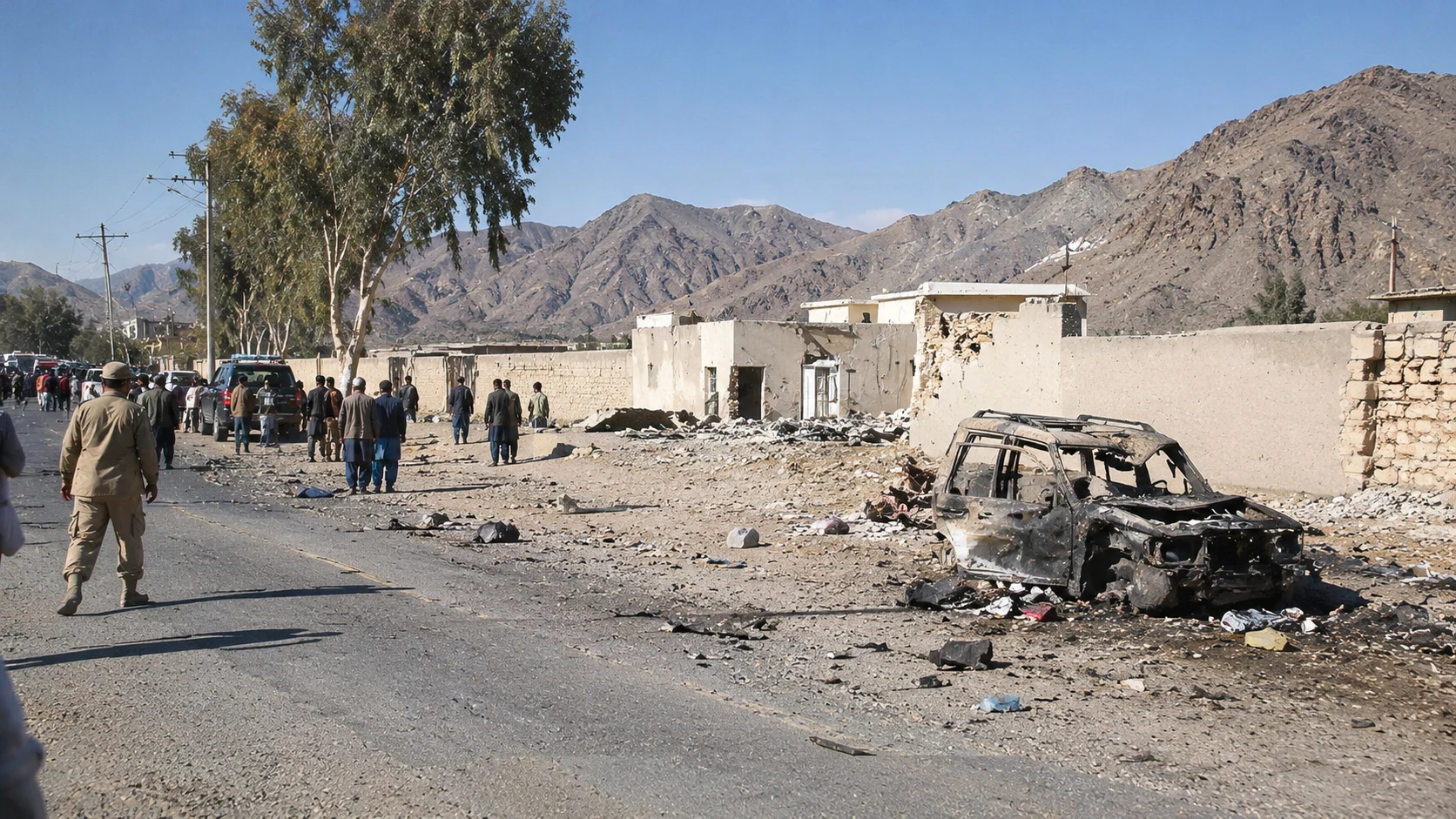
Neither Moscow nor Kyiv has endorsed Trump’s vague claims of a looming breakthrough. Russian forces continue daily drone barrages and ground assaults across the Donbas. Ukraine maintains that no permanent pact can freeze lines that surrender sovereign land without ironclad Western security guarantees.
Furthermore, a six-day humanitarian corridor for 800 villagers in Kherson is a world away from a comprehensive peace treaty.
Local ceasefires happen through pragmatic field commanders and human rights ombudsmen trading basic relief supplies. Grand peace agreements require heads of state to concede territory, disarm frontiers, and sign away geopolitical ambitions.
Trump wants a quick diplomatic triumph before his calendar fills up. But until Moscow and Kyiv put signatures on paper in Abu Dhabi, his peace deal remains an unverified boast.
Key Questions Answered
Did Donald Trump meet both Russian and Ukrainian delegates at the White House?
No. Trump held a private West Wing meeting with Putin’s special envoy Kirill Dmitriev. He explicitly confirmed that he did not meet the visiting Ukrainian delegation led by David Arakhamia and Dmytro Lubinets.
What was the humanitarian ceasefire in Oleshky?
From October 27 to November 1, local forces implemented a six-day pause in the Russian-occupied city of Oleshky in Kherson. The corridor allowed humanitarian groups to deliver food and medicine while evacuating nearly 800 trapped residents.
Who was in the room at the White House?
Four key emissaries came to Washington. Moscow sent Kirill Dmitriev and human rights commissioner Yana Lantratova. On the Ukrainian side, parliamentary leader David Arakhamia attended alongside ombudsman Dmytro Lubinets.
What is happening in Abu Dhabi on November 10 and 11?
American officials will host Russian and Ukrainian working delegations in the UAE. The closed-door meetings will test whether both sides can agree on basic ceasefire rules, safer civilian corridors, and long-term security guarantees.
ImageSource: ChatGPT
श्रेणी (Category): Defence & Security