North Korea Fires 10 Ballistic Missiles: What the Latest Barrage Means for Regional Security
North Korea reportedly launched around 10 short-range ballistic missiles toward its eastern coast, drawing attention from South Korea and Japan amid continui...
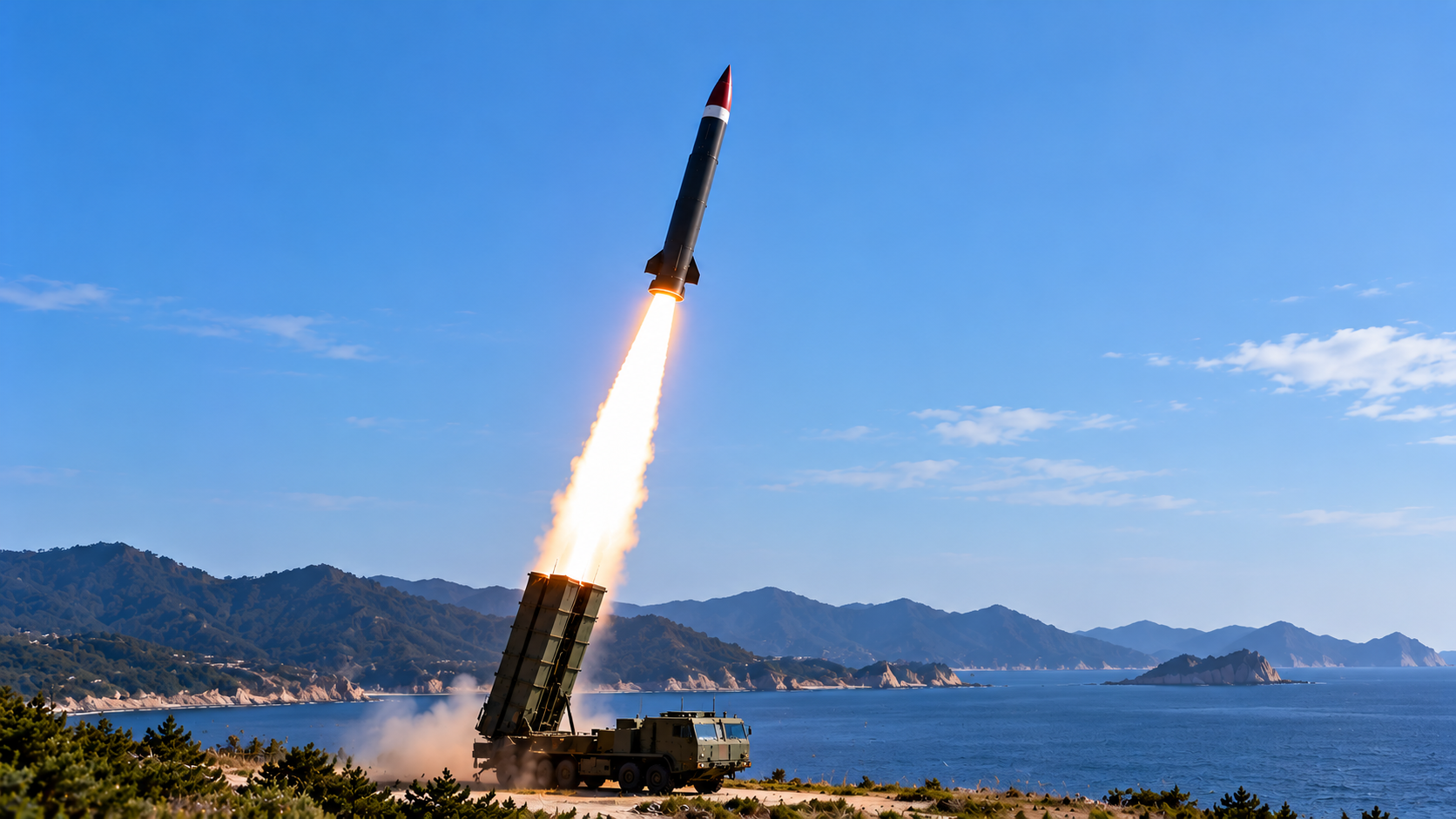
When Pyongyang tests a single ballistic missile, it is usually sending a political message. When it launches ten at once, it is practicing how to overwhelm an enemy’s air defenses.
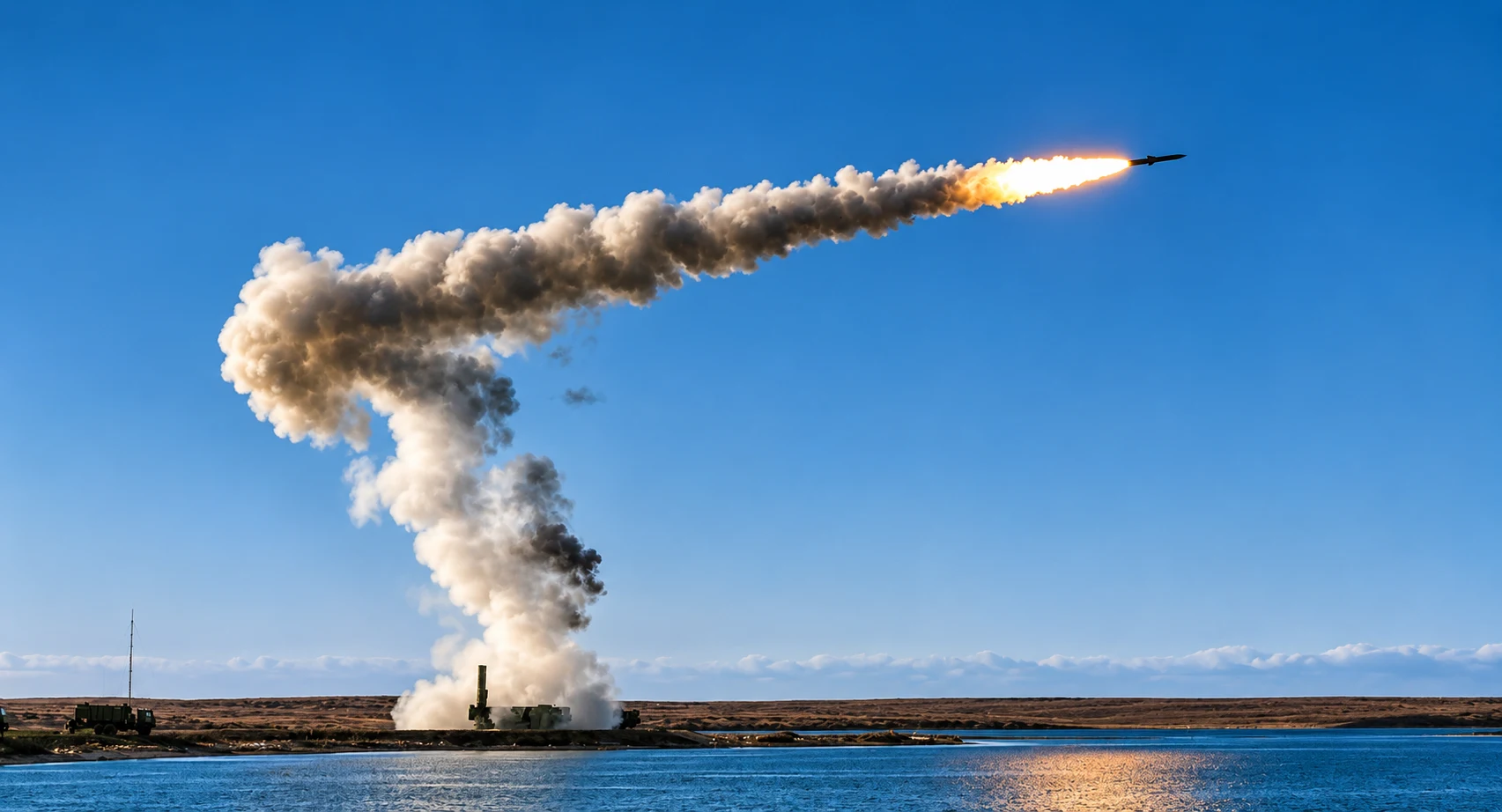
Early Thursday, North Korea unleashed a rapid-fire salvo of approximately ten short-range ballistic missiles from the coastal bastion of Wonsan, sending projectiles arcing roughly 250 kilometers before splashing into the sea off its eastern coastline. The barrage, picked up by regional monitors and initially reported by international outlets including Aaj Tak, represents one of Pyongyang’s densest tactical displays in recent months.
The launch immediately tripped alarms across the region. South Korea’s Joint Chiefs of Staff placed frontline units on high alert, while defense officials in Tokyo scrambled to verify whether any debris landed inside Japan’s exclusive economic zone.
Single launches grab headlines, but military planners in Seoul and Washington dread salvos.
A 250-kilometer flight envelope might sound modest compared to Kim Jong Un’s intercontinental hardware, but that range is lethal where it counts. From coastal launch pads, 250 kilometers covers crucial South Korean command hubs, forward airfields, and staging grounds.
More importantly, firing ten missiles in rapid succession is classic saturation doctrine.
Advanced air defense systems like Patriot PAC-3 and US-operated THAAD batteries in South Korea are remarkably capable, but every interceptor battery has a physical limit to the number of incoming warheads it can track and engage at the same second. Fire enough rockets at once, and some will slip through.
The launches also showcase the operational mobility of North Korea’s tactical rocket forces. Moving road-mobile transporter-erector-launchers (TELs) into firing positions around Wonsan, firing in coordinated volleys, and clearing out before counter-battery strikes can retaliate has become the core playbook of Pyongyang’s conventional deterrence.
Diplomatic hand-wringing followed the familiar script.
Both Seoul and Tokyo condemned the launches as flagrant breaches of United Nations Security Council resolutions, which explicitly ban North Korea from conducting any ballistic missile activities.
Yet at this point, international censure is little more than background static to the Kim regime. With UN sanctions enforcement effectively paralyzed by geopolitical gridlock in New York, Pyongyang has treated the launchpad as a laboratory to fine-tune solid-fuel tactical weapons—systems designed for quick fueling, minimal setup time, and near-instant launch.
The barrage also served as a live-fire test for the trilateral intelligence-sharing apparatus between South Korea, Japan, and the United States. Established to share real-time radar and satellite tracking data the second a North Korean booster ignites, the network operated under live-target conditions on Thursday morning.
Where the Peninsula goes from here is rarely a mystery.
Pyongyang does not burn through rocket fuel and expensive solid-propellant motors without a strategic objective. Whether the salvo was timed to demonstrate operational readiness ahead of regional political milestones or meant as an unsubtle warning against allied military exercises, one fact is undeniable: North Korea is no longer just building missiles. It is drilling to use them en masse.
ImageSource: ChatGPT
श्रेणी (Category): Defence & Security