Japan to Conduct First Missile Live-Fire Drills in India Under New Defence Agreement
India and Japan have signed an agreement allowing Japanese Self-Defence Forces to conduct live-fire missile training at Indian military ranges for the first...
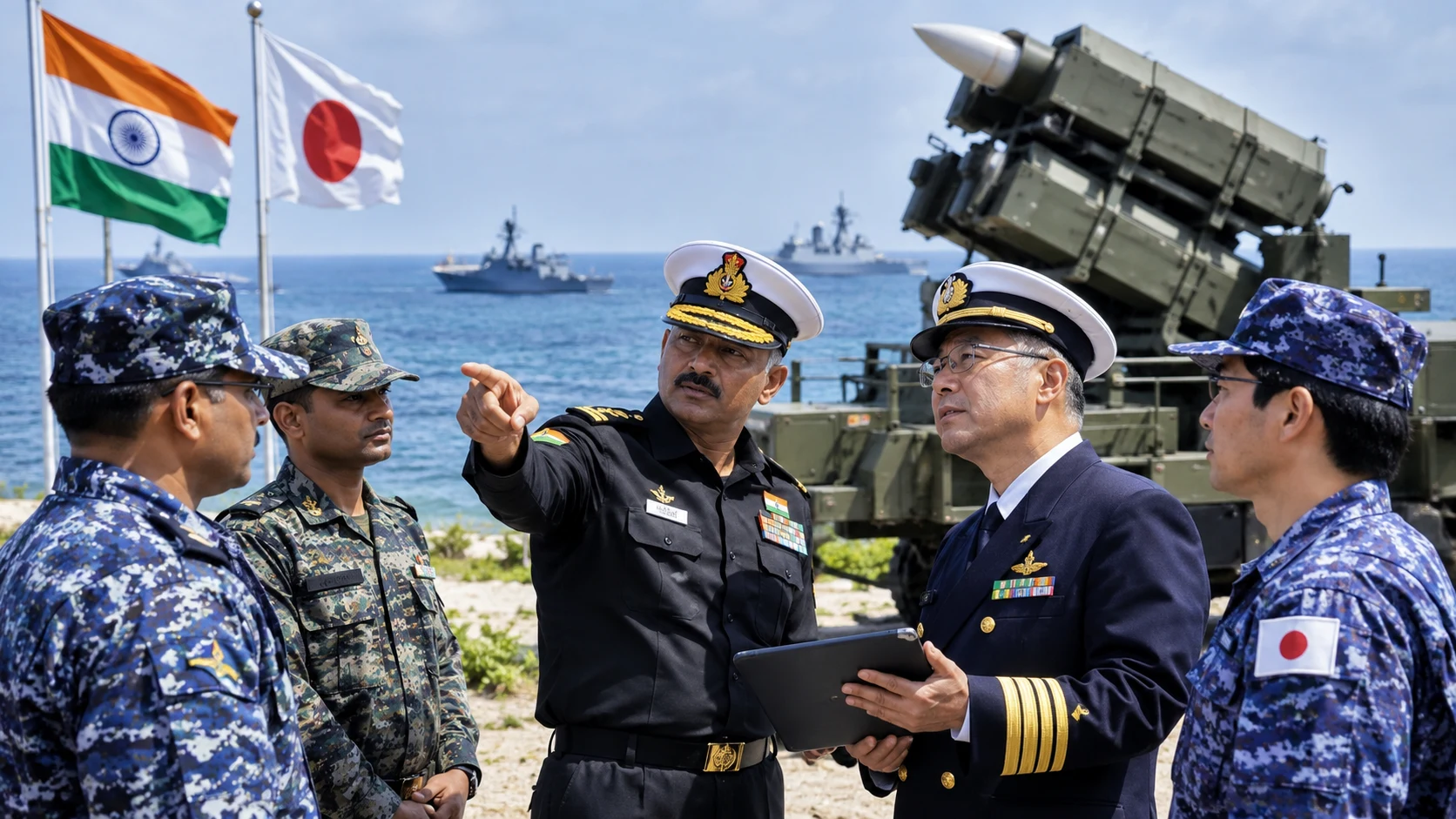
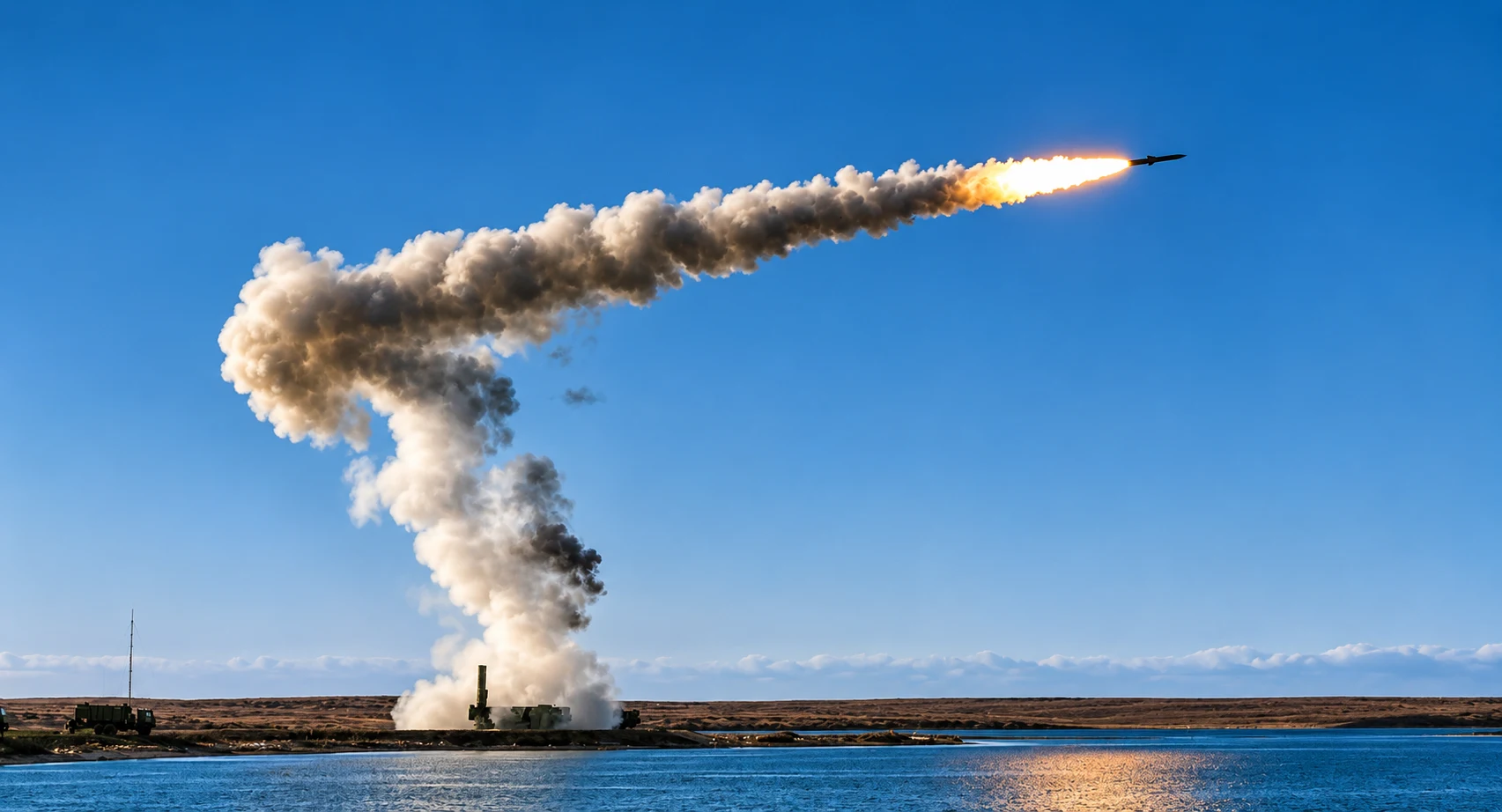
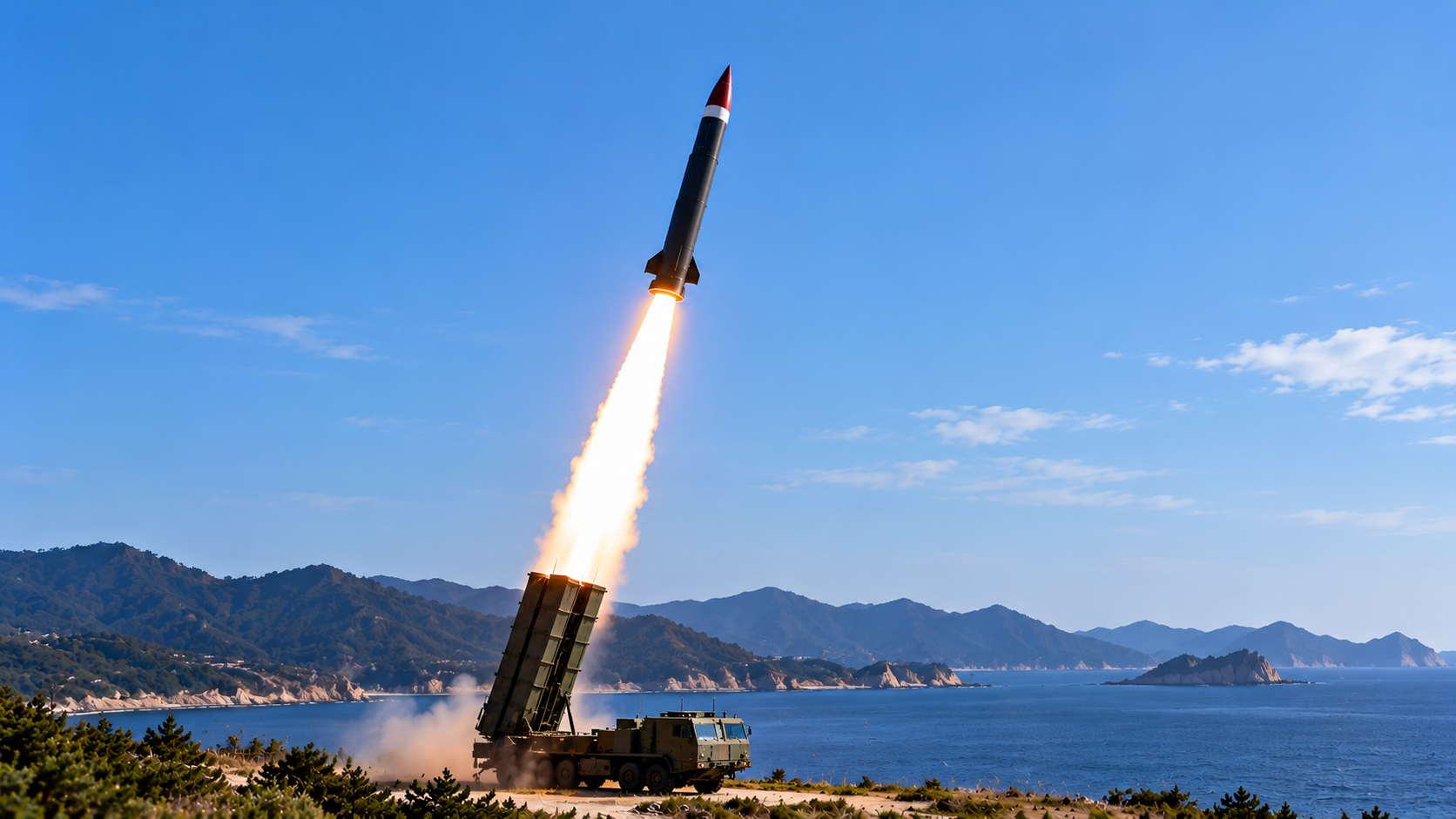
When Indian and Japanese ministers sat down in Tokyo on November 19, 2026, they crossed a line that defense planners on both sides had eyed cautiously for years. Under a newly signed Letter of Intent, Japan’s Self-Defence Forces will soon pack up live surface-to-ship missiles and fire them from Indian military ranges. It will be the first time Japanese units have ever conducted live-fire training on Indian soil.
Allowing foreign troops to unpack heavy strike ordnance inside sovereign borders is something New Delhi rarely permits. For years, defense ties between the two capitals stuck to the safer rhythms of joint naval patrols, tabletop war games, and polite staff talks. That era is giving way to something far more operational. The pact, hammered out during the fourth India-Japan Foreign and Defence Ministerial Dialogue—the high-profile 2+2 summit—moves bilateral cooperation beyond naval exercises and technology chatter into real-world weapons training. Both governments have already pledged to accelerate coordination to make it happen.
At the table in Tokyo were four key decision-makers. Indian Defence Minister Rajnath Singh and External Affairs Minister S. Jaishankar led talks for New Delhi, while Japanese Defence Minister Shinjiro Koizumi and Foreign Minister Toshimitsu Motegi spoke for Tokyo. The joint document they signed commits both nations to opening Indian firing ranges to Japanese units. Yet the paperwork is still thin on operational specifics. Neither government has named the missile batteries involved, fixed dates on the calendar, or confirmed which coastal testing ranges will host the drills.
Japan’s Search for Suitable Missile Testing Ranges
Japan has a geography problem. The home islands are simply too cramped for the kinds of weapons Tokyo now wants to field. Densely packed, encircled by crowded commercial sea lanes, and hemmed in by sensitive geopolitical boundaries and busy fishing fleets, Japan lacks the open expanses required to test extended-range munitions. Firing a modern stand-off weapon requires hundreds of kilometers of empty sky and clear ocean. Try that off the coast of Honshu, and civilian shipping grinds to a halt. To get around that bottleneck, Japanese defense officials have spent months looking abroad for firing ranges with long trajectories and clear maritime drop zones. India’s extensive coastline and dedicated testing facilities provide the solution Tokyo could not find at home.
Type-25 Missile and Chandipur Testing Range Under Consideration
Rumors about the exact hardware began leaking almost immediately. According to a report by The New Indian Express, Japanese officials are weighing plans to deploy their Type-25 surface-to-ship missile alongside smaller attack drones, with the Integrated Test Range at Chandipur in Odisha emerging as a possible testing ground.
Neither government has confirmed that account. Officials on both sides stress that the Type-25 and Chandipur remain reported possibilities rather than settled policy. Calling the bilateral agreement a confirmed Type-25 testing program would be jumping the gun; the official announcement mentions no specific missile family at all. Still, the missile fits Japan's larger military blueprint. Defense reports describe it as an evolution of Japan’s Type-12 missile family, built specifically for stand-off strikes and extended-range targeting against hostile warships. As Tokyo pushes forward with a wider defense modernisation campaign to strike threats from safer distances, its missile crews need real-world ranges to practice.
Expanding India-Japan Defence Cooperation
The live-fire agreement was hardly the only item on the ministerial agenda. Across their bilateral discussions, the four ministers sketched out an expanding list of joint military priorities. Aside from maritime security and naval cooperation, the two sides agreed to deepen coordination on mine countermeasures, air-domain awareness, and secret operations involving special forces. Naval forces will step up information-sharing, while joint military exercises will continue to expand. Industrial collaboration is broadening, too. The two governments agreed to explore joint naval shipbuilding and vessel design, while connecting technical teams from India’s Defence Research and Development Organisation (DRDO) and Japan’s Acquisition, Technology and Logistics Agency (ATLA) to develop advanced missile and defense technologies.
Japan’s UNICORN Antenna Deal Moves Forward
Naval hardware also took a tangible step forward with Japan’s UNICORN antenna. Short for Unified Complex Radio Antenna, the system consolidates multiple communication antennas into a single angular structure designed to reduce a warship’s radar signature. Talks over the mast have gathered real traction. According to official Indian statements, both governments expect to finalize terms soon, targeting India’s formal Acceptance of Necessity—the critical initial procurement clearance known as an AoN—by February 2027. If it goes through, the deal would become an early showcase for the bilateral "Design with Japan, Make in India" industrial framework.
Strategic Importance of the India-Japan Military Partnership
The strategic forces driving this alignment are not hard to identify. Alongside the United States and Australia, India and Japan form the Quad. Both countries depend heavily on open sea lanes, freedom of navigation, and regional stability across the Indo-Pacific, where mounting security tensions have reshaped defense budgets from New Delhi to Tokyo. For Japan, Indian ranges solve a painful domestic training bottleneck. For India, opening its ranges brings closer interoperability with Japanese forces and access to advanced military institutions. Even so, allowing foreign troops to conduct live missile drills on domestic soil demands an extraordinary level of bilateral trust. It requires shared safety protocols, tightly synchronized operational planning, joint logistics, and complete confidence in each other’s strategic intentions.
What Happens Before the First Japanese Missile Is Fired?
A mountain of administrative work still lies ahead. Before any Japanese battery deploys, planners must select suitable firing ranges, establish training schedules, approve weapon variants, and formalize safety and operational procedures. They also need to sort out the logistics, personnel movements, and legal permissions required to bring foreign troops and live ordnance through Indian ports. Official communiqués state that both sides will accelerate talks toward early implementation. The relationship has clearly shifted away from diplomatic rhetoric toward direct operational cooperation. The true test will come when both capitals confirm when and where the first Japanese missile will actually fly.
ImageSource: ChatGPT
श्रेणी (Category): Defence & Security