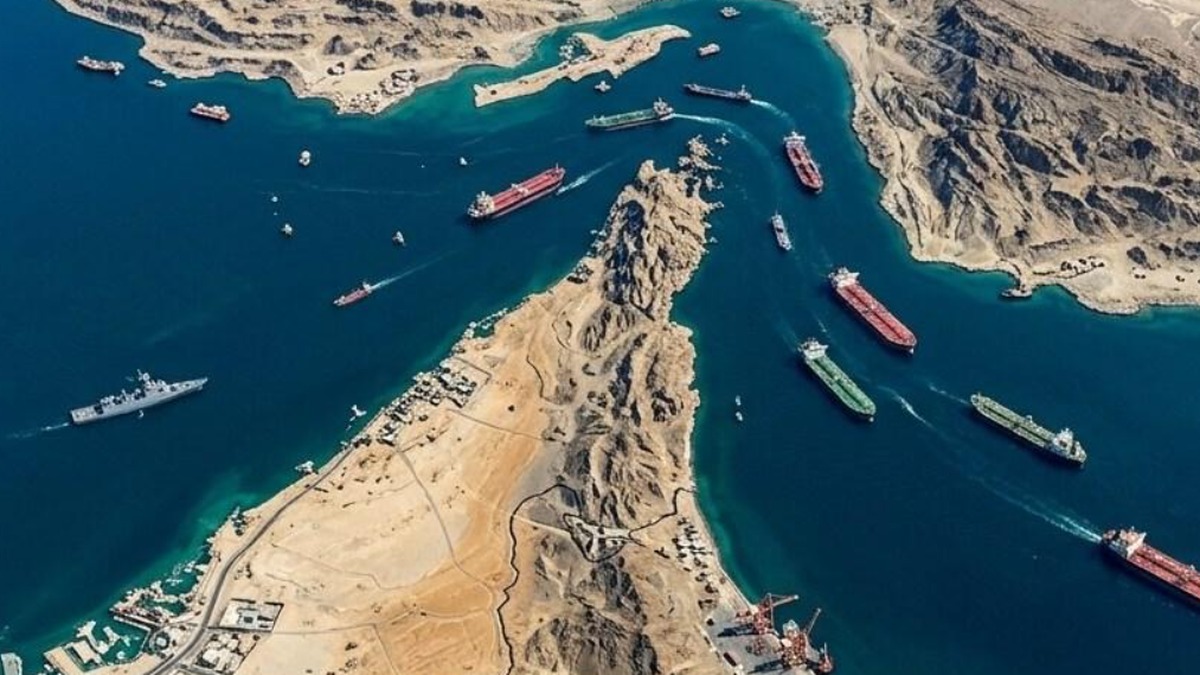
Shadow Diplomacy in Tehran as Tankers Burn Along the Hormuz Chokepoint
US-Iran tensions escalated on October 30, 2026, as diplomatic efforts continued in Tehran, maritime incidents raised concerns in the Strait of Hormuz, Houthi...
Shadow Diplomacy in Tehran as Tankers Burn Along the Hormuz Chokepoint
While Qatari envoys shuttled between quiet meeting rooms in Tehran and secure lines to Washington, black smoke was rising again over the world’s most vulnerable energy corridor.
On Friday, the shadow conflict between the United States and Iran teetered between a high-stakes diplomatic off-ramp and open maritime warfare. In the narrow waters of the Strait of Hormuz, commercial tankers dodged naval mines and explosive-laden skiffs, while global crude benchmarks punched past $115 a barrel. Yet behind the public saber-rattling, an extraordinary backchannel proposal emerged: US Vice President JD Vance has offered to sit face-to-face with Mohsen Rezaei, the secretary of Iran’s Supreme National Security Council, to negotiate an end to the war.
The diplomatic overture, confirmed by officials familiar with the talks, arrived via a private letter Vance sent last week. In it, the vice president laid out what Washington views as a realistic landing zone: a non-negotiable barrier preventing Tehran from acquiring an atomic weapon, balanced against American recognition of Iran’s economic sovereignty and domestic rebuilding. Vance, however, inserted a strict prerequisite—whoever Tehran sends to the negotiating table must hold absolute decision-making authority over nuclear files.
Vance took that message directly to the American public during an emotional town hall appearance, drawing on his own past military service to reassure voters that President Donald Trump has no intention of letting the confrontation degenerate into another Middle Eastern “forever war.”
Tehran, for its part, is giving away nothing for free. Iranian Parliament Speaker Mohammad Bagher Ghalibaf made clear on Friday that any diplomatic thaw remains completely frozen until Washington addresses Iran's previously delivered "seven conditions." Meanwhile, hardline voices inside the Iranian parliament are pushing the envelope even further, with at least one lawmaker publicly urging Mojtaba Khamenei to formally greenlight the construction of an atomic bomb to deter American strikes.
That nuclear brinkmanship sparked fierce verbal combat in New York. Addressing the United Nations Security Council, US Ambassador Mike Waltz lashed out at Iranian diplomats over blocked IAEA inspections and withheld monitoring data. “Your lies are no good here,” Waltz warned, insisting the White House would never permit the Islamic Republic to cross the nuclear threshold. Iranian Foreign Ministry spokesman Esmaeil Baghaei fired back, dismissing UN special rapporteur Mai Sato’s human rights assessments as a politically weaponized sham designed to whitewash American and Israeli military operations.
While diplomats traded barbs in conference halls, the water was catching fire in the Persian Gulf.
Maritime Attacks and Burning Tankers
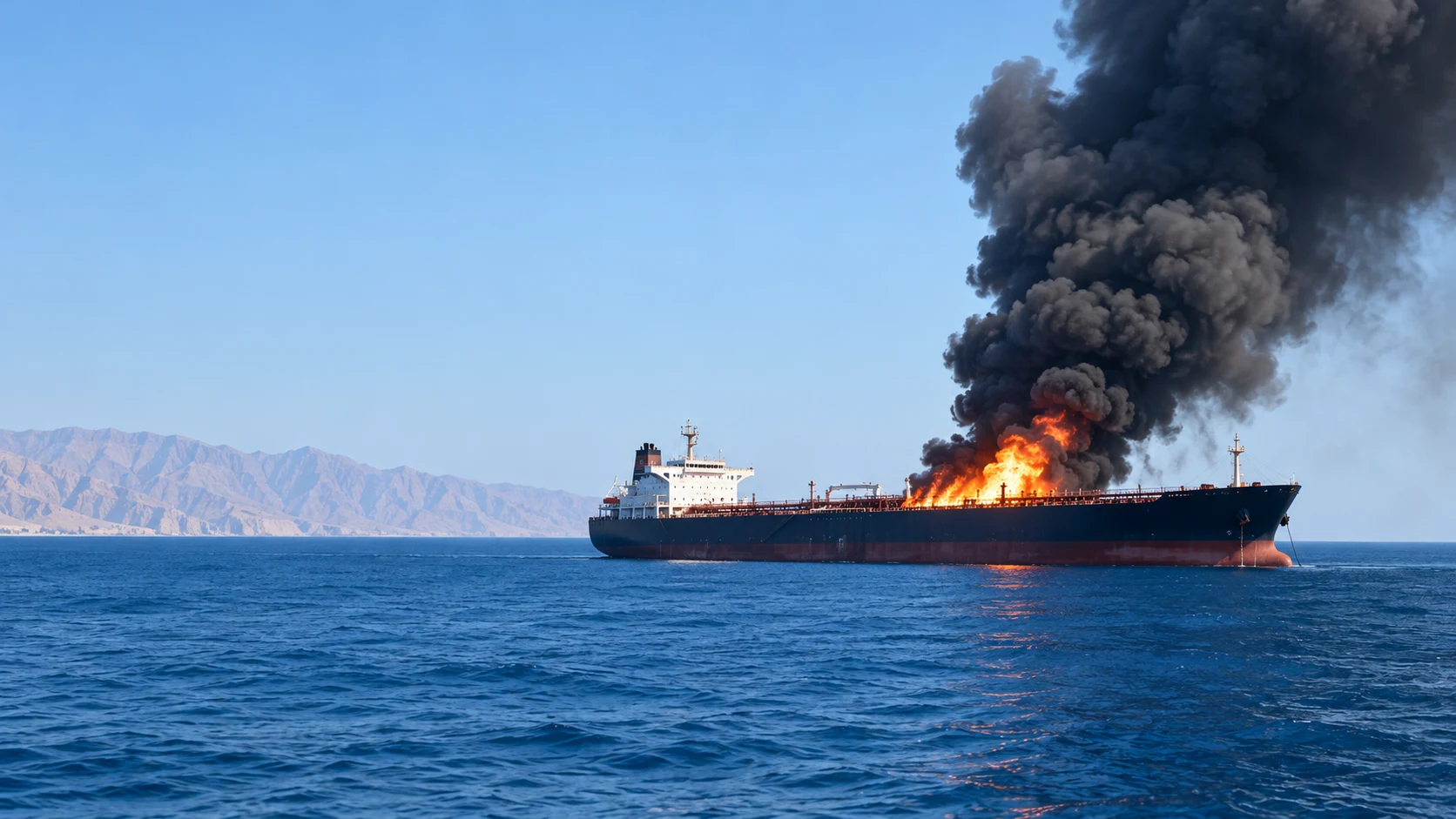
The UK Maritime Trade Operations (UKMTO) reported a harrowing assault on a commercial tanker when a small boat pulled alongside the vessel and attached two explosive limpet devices directly to its hull. The resulting detonation ignited a blaze in the engine room; the crew managed to contain the flames and limp forward, but the brazen attack shattered any illusion of maritime safety.
Hours later, UKMTO flagged another merchant vessel ablaze roughly 25 nautical miles northeast of Khasab, Oman, while reports of explosions and flashes lit up the night sky near Sirik and Qeshm Island. Iran’s armed forces subsequently announced that four separate tankers had caught fire after drifting into naval mines, claiming the targeted vessels had gone dark and switched off their automatic identification systems (AIS) in direct violation of maritime warnings.
Regional Instability and Houthi Claims
Regional instability deepened further as Yemen’s Houthi movement claimed a sprawling coordinated strike deep into Saudi Arabia, alleging missile and drone salvos against key refineries at Ras Tanura, Rabigh, and Abqaiq, as well as international airports in Riyadh and Dammam. Though Riyadh maintained official silence and independent monitors could not immediately confirm physical hits on Saudi facilities, the mere prospect of coordinated disruption was enough to set trading desks on edge.
Oil Markets and Economic Fallout
Energy markets reacted with immediate panic. Brent crude jumped above $115 a barrel on Friday morning, with US West Texas Intermediate breaching $102, both benchmarks locking in massive monthly gains as insurance underwriters weighed whether commercial tankers could continue transiting Hormuz without naval escorts.
Washington's Political and Financial Moves
In Washington, the administration moved to manage its financial and political flanks. The Treasury Department extended an emergency wind-down window to December 1 for institutions untangling transactions with a sanctioned Iraqi lender tied to Iranian financial evasion networks. At the same time, President Trump stirred domestic intrigue by warning that a recently ousted US general, fired amid an investigation into classified leaks regarding operations in Iran and Ukraine, could soon face "big problems."
A Region on a Knife-Edge
The frantic pace of Friday’s events leaves the region on a knife-edge. Envoys in Doha and Tehran may be drafting frameworks for de-escalation, but in the waters off Hormuz, the fuse is already lit—and burning uncomfortably close to the powder keg.
ImageSource: ChatGPT
श्रेणी (Category): International News