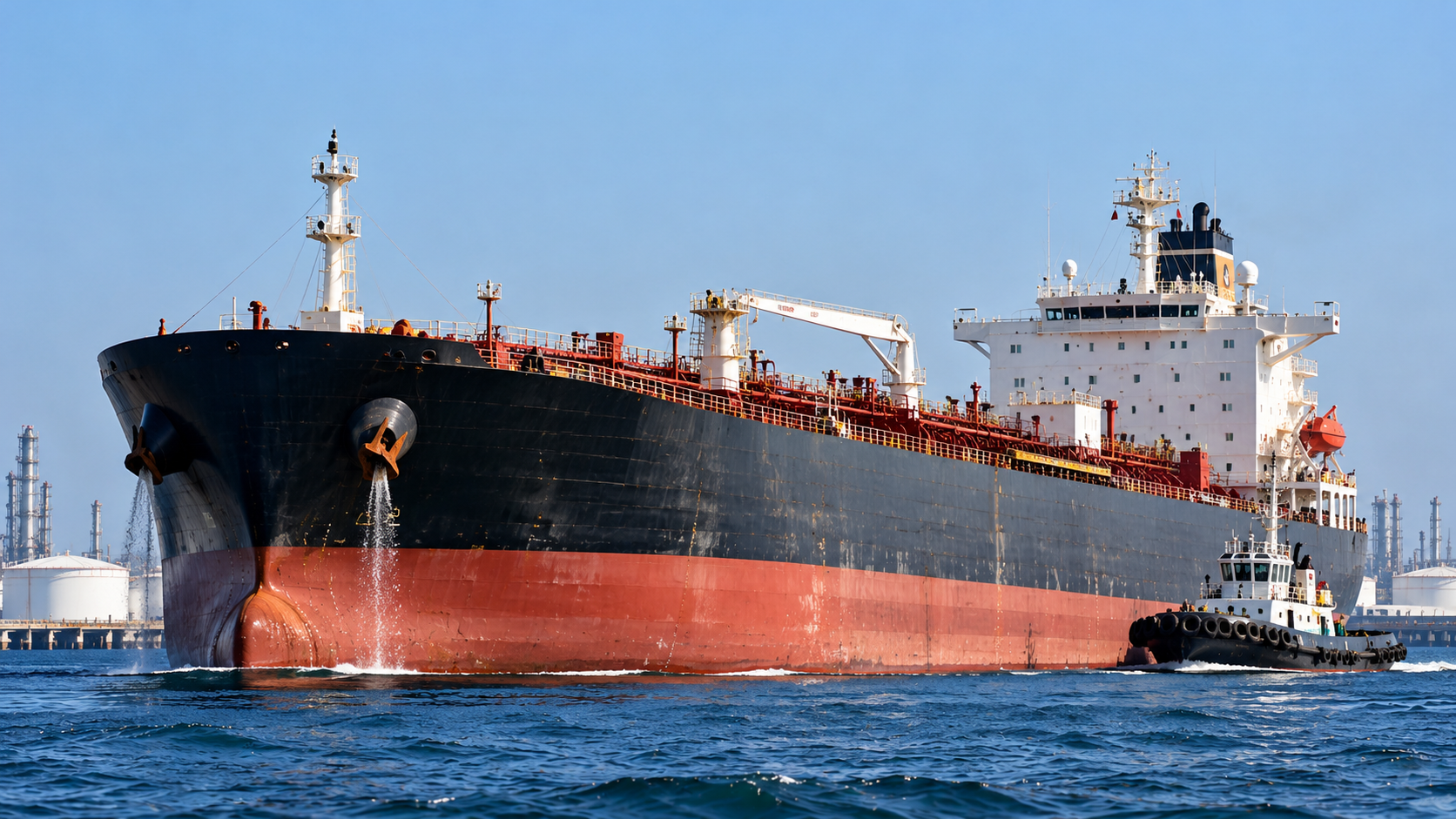
Oil Prices Rise Above $115 as Unverified Saudi Refinery Strike Claim Raises Supply Concerns
Global oil prices climbed amid renewed Middle East tensions after an unverified claim of a missile strike on Saudi Arabia's Ras Tanura refinery. Here's what...
It takes very little to rattle the global oil market, but an alleged missile strike on the crown jewel of Saudi Arabia’s export apparatus will do it every time.
Crude futures broke out into a sharp, nervous rally on Wednesday after Yemen’s Houthi rebels claimed they had launched a missile attack against Saudi Aramco’s sprawling Ras Tanura complex. The claim, blasted across regional news feeds, immediately wiped out the previous session’s diplomatic optimism and sent energy desks scrambling to price in worst-case Gulf disruption scenarios.
By the afternoon, Brent crude for December delivery was changing hands at roughly $115.90 a barrel, while West Texas Intermediate pushed past $101.91.
Trading desks did not wait around for confirmation. That is the nature of energy markets: when a headline threatens physical supply from the Persian Gulf, you buy first and ask questions later.
The Strategic Importance of Ras Tanura
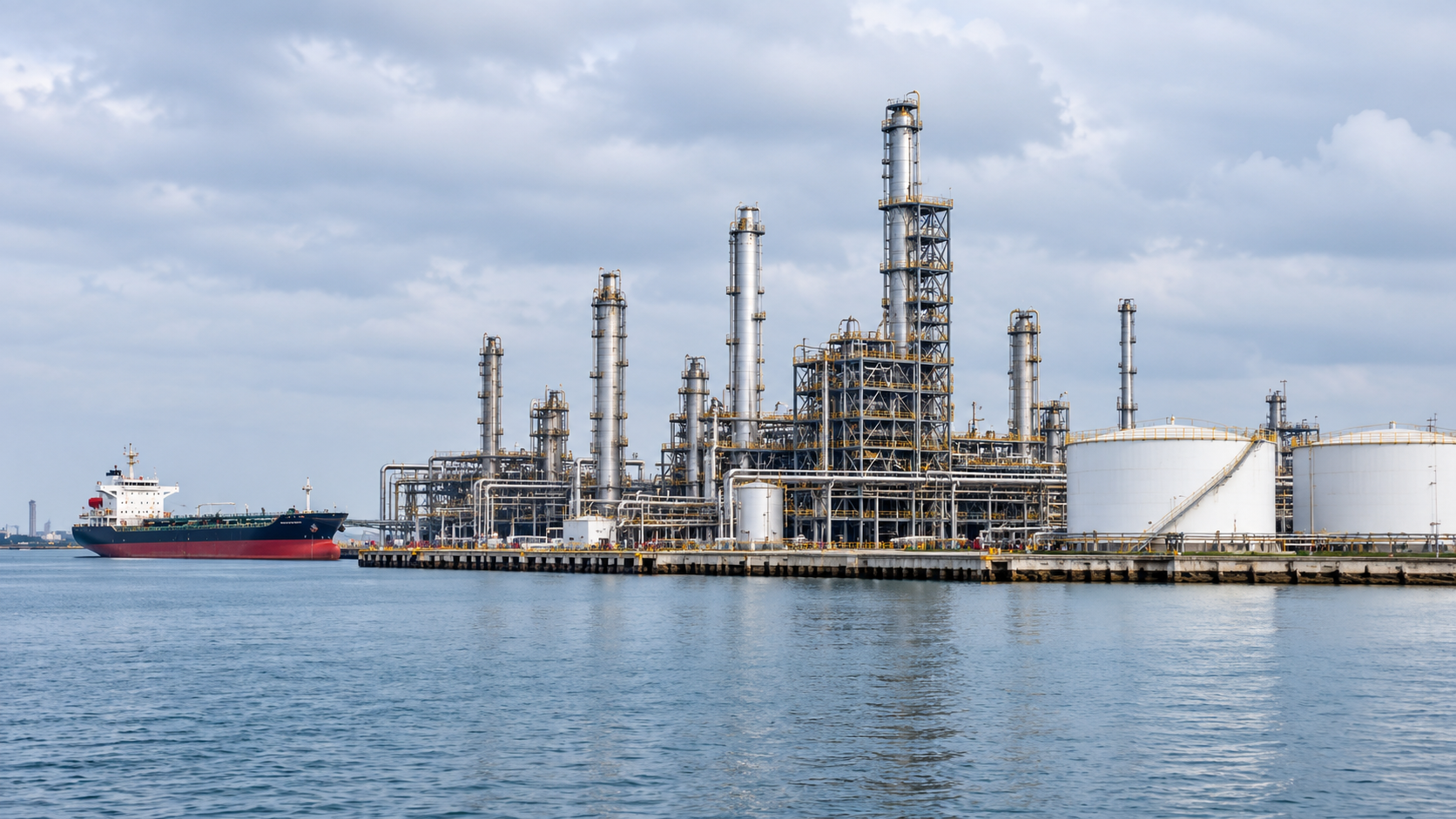
The target named in the claims explains the sheer speed of the spike. Ras Tanura is not just an ordinary refinery. Situated on Saudi Arabia’s eastern coastline, the complex houses a 550,000-barrel-per-day processing facility alongside the world’s largest offshore crude loading terminal. It is the literal bottleneck through which a massive portion of Saudi Arabia’s daily export volume flows into supertankers bound for Asia and Europe.
Potential Disruptions to Global Oil Supply
A confirmed direct hit on Ras Tanura’s offshore single-point mooring berths or tank farms would instantly disrupt global flows. Even a localized fire in the refinery’s distillation columns would squeeze regional supplies of diesel, jet fuel, and naphtha.
The Missing Piece: Physical Proof
Yet as the initial trading frenzy cooled, market veterans pointed out the glaring missing piece: physical proof.
At the time of trading, neither the Saudi Energy Ministry nor Aramco had confirmed any damage, operational shutdowns, or supply interruptions. Without independent satellite verification or official confirmation of smoke over the terminal, analysts cautioned that the rally was running almost entirely on fear rather than physical supply deficits.
Still, the scare struck a market already balanced on a knife-edge.
Middle East Tensions and Supply Vulnerabilities
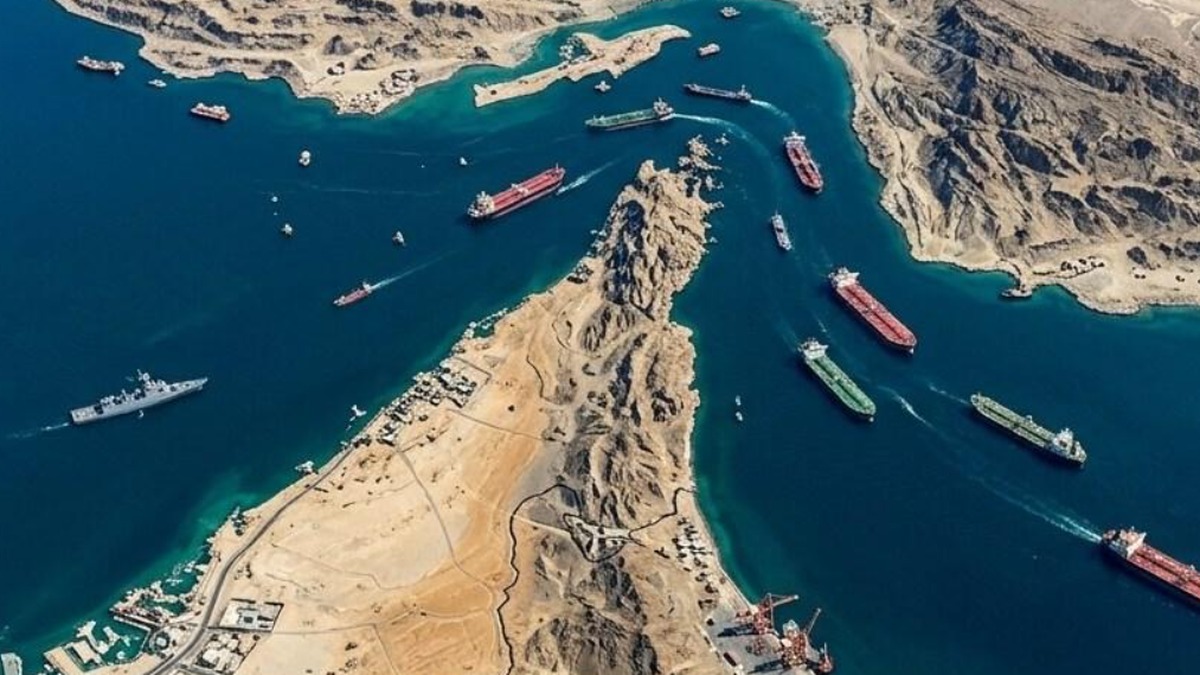
Energy traders are contending with compounding vulnerabilities across the Middle East. Beyond drone and missile threats, the perennial nightmare remains the Strait of Hormuz—the narrow chokepoint through which roughly a fifth of the world’s petroleum passes. Any flare-up that drives up commercial shipping insurance rates or forces supertankers to detour around dangerous waters translates directly into higher landed barrel costs for buyers in India, China, and Europe.
That geopolitical friction is colliding with already tight physical fundamentals.
Tight Inventories and OPEC+ Production Limits
Traders have spent the week combing through US inventory data for clues on consumption trends, with drawdown numbers pointing to persistent tightness in commercial stockpiles. At the same time, OPEC+ continues to hold back significant volumes under tight output quotas. With global spare production capacity concentrated in only a handful of Gulf producers, the market has almost no shock absorber left if a major facility actually goes offline.
The Economic Fallout of Crude Above $100
For the wider global economy, crude lingering north of $100 is pure poison.
Sustained spikes at these levels bleed into consumer prices within weeks. Freight haulers and airlines face immediate fuel surcharges, petrochemical manufacturers see feedstocks skyrocket, and central banks are forced to reconsider interest rate relief as transportation inflation rebounds. Major energy-importing nations across developing Asia face the steepest pain, watching their currency reserves deplete to pay for ballooning energy import bills.
What Happens Next?
Where oil prices head next depends entirely on what the coming hours reveal about Ras Tanura's operational reality.
Scenario 1: No Confirmed Damage
If Aramco issues a routine operational statement and exports sail uninterrupted, the "war premium" baked into Wednesday’s $115 print will bleed away just as quickly as it arrived.
Scenario 2: Confirmed Damage or Escalation
But if the smoke is real—or if retaliatory strikes spread across the Gulf—the market’s latest jump will look like a mere opening act.
ImageSource: ChatGPT
श्रेणी (Category): Finance