India Approves E-85 and E-100 Fuels: What It Means for Your Car
India has approved regulatory provisions for E-85 and E-100 fuels in flex-fuel vehicles. Learn what the decision means for existing petrol cars, fuel compati...
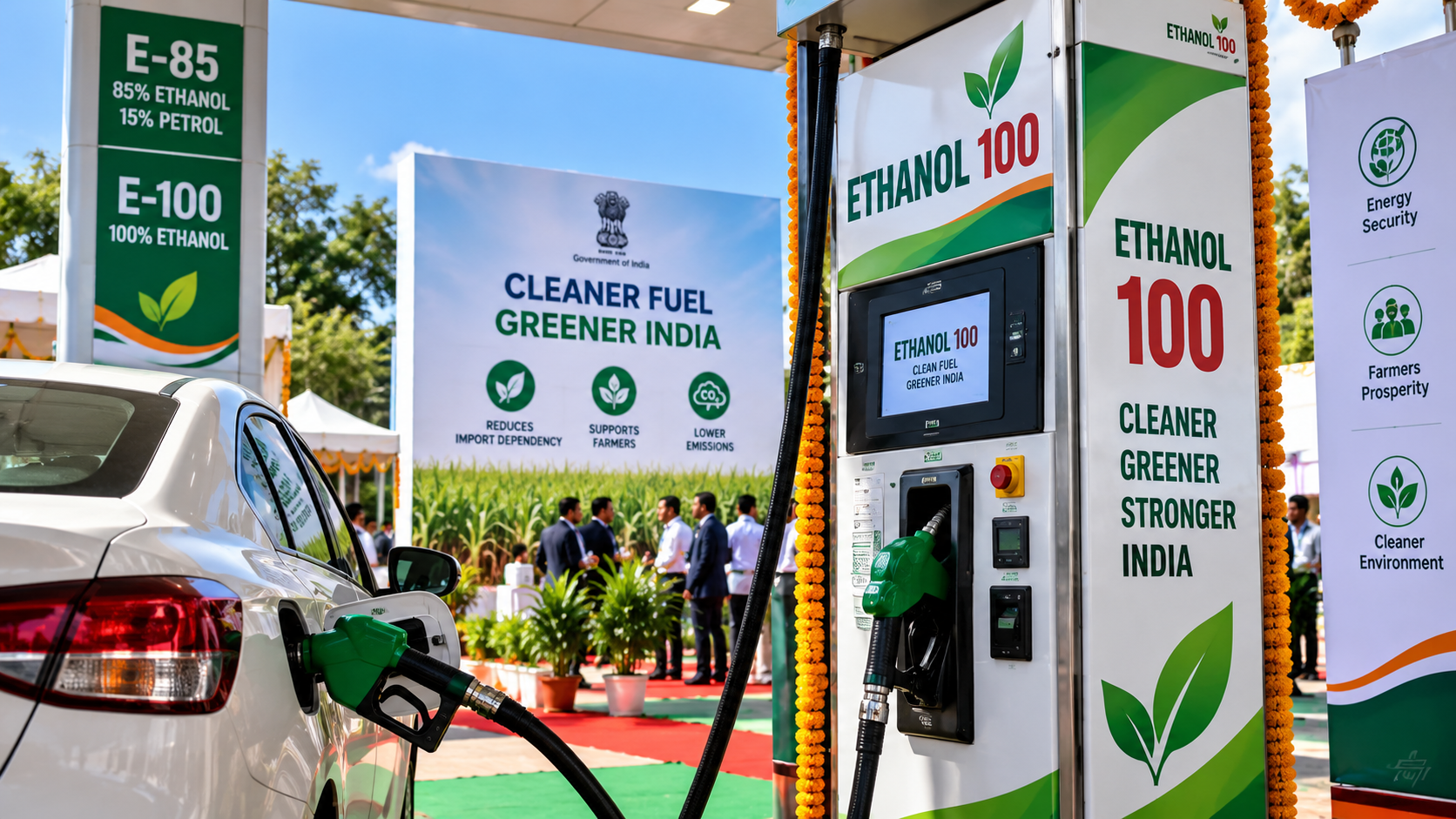
India Approves E-85 and E-100 Fuels: The Engine Warning Every Car Owner Needs to Read
Before you pull up to a petrol pump dreaming of filling your hatchback with cheap, green alcohol, hold your horses. You might end up melting your fuel system.
The Regulatory Change: What India Has Approved
In a quiet regulatory move that automotive engineers have been anticipating for months, the Ministry of Road Transport and Highways (MoRTH) formally amended the Central Motor Vehicles Rules, 1989. The update writes E-100 directly into the country’s emission and certification standards for flex-fuel vehicles, sitting alongside the previously cleared E-85. In the same notification, the ministry bumped the gross vehicle weight ceiling for light passenger and commercial vehicles from 3,000 kg to 3,500 kg—a subtle regulatory tweak that gives carmakers more payload cushion to package heavier fuel tanks and dual-fuel hardware.
On paper, it looks like a clean break toward energy independence. But on the ground, drivers need to understand what this rule change actually means—and what it definitely doesn’t.
E-85 vs. E-100: Understanding the Fuel Difference
First, the chemistry. Most cars sold in India over the past two years are certified for E-20—petrol cut with 20% ethanol distilled from surplus sugarcane and grain feedstocks. E-85 ratchets that up to an 85-15 ethanol-petrol blend, keeping just enough petroleum in the mix to help engines turn over on cold mornings. E-100 throws fossil fuels out the window altogether: it is neat, unadulterated ethanol.
Why Standard Petrol Cars Cannot Use E-85 or E-100
Here is the hard truth for existing vehicle owners: you cannot pour E-85 or E-100 into a standard petrol car.
How Ethanol Can Damage Your Fuel System
Ethanol is aggressively hygroscopic, meaning it pulls moisture directly out of the ambient air. It also corrodes standard automotive plumbing. In a conventional car, running high-concentration alcohol will rapidly degrade rubber fuel hoses, destroy plastic tank floats, corrode aluminum intake components, and chew up high-pressure injectors. Without an engine purpose-built to handle it, high-blend alcohol will leave you stranded with an eye-watering repair bill.
How Flex-Fuel Vehicles Handle High-Ethanol Blends
True flex-fuel vehicles (FFVs) are an entirely different breed. Under the skin, they use Teflon-lined hoses, stainless steel delivery pipes, anti-corrosive valve coatings, and specialized fuel injectors. More importantly, they run an optical or dielectric fuel sensor along the feed line. That sensor reads the exact alcohol percentage in real time and tells the engine control unit (ECU) to recalibrate spark advance and fuel-injection volume in milliseconds.
The Mileage Penalty of E-85 and E-100 Fuels
Then comes the mileage penalty—the part ethanol enthusiasts rarely talk about.
Ethanol simply has a lower energy density than fossil petrol. A liter of ethanol contains roughly a third less energy than an equivalent liter of pure petrol. Even in a finely tuned flex-fuel engine, your fuel economy will drop noticeably. If your car delivers 16 km/l on standard petrol, expect something closer to 11 or 12 km/l when burning neat alcohol.
Will E-100 Be Cheaper at the Fuel Pump?
For the average motorist, the entire math hinges on pump pricing. Unless state-run oil companies price E-100 at a steep discount to offset the 25-to-30 percent drop in efficiency, drivers will simply be paying more money to stop at the fuel pump more often.
Why India Is Promoting Ethanol-Based Fuels
From New Delhi’s vantage point, however, the macroeconomic logic is obvious. India imports well over 85 percent of its crude oil, draining tens of billions in foreign exchange reserves every single year. Shifting a sizable chunk of the passenger fleet to domestic ethanol keeps that capital inside the country, handing a massive lifeline to sugar mills and cane farmers across agricultural heartlands like Maharashtra and Uttar Pradesh. Tailpipe emissions also tend to drop, though the net environmental impact depends heavily on how clean the farming and distillation loops are.
Why E-100 Fuel Pumps May Take Time to Arrive
Still, don't expect your local fuel station to install an E-100 pump by next month.
The Infrastructure Challenge for Ethanol Fuel
Commercial rollout requires an entirely separate distribution apparatus: dedicated underground storage tanks, specialized water-free fuel tankers, and updated retail dispensers. Automakers won't invest heavily in mass-producing expensive flex-fuel models until fuel is widely available, and fuel stations won't commit to dedicated ethanol tanks until millions of compatible cars are on the roads. It is the classic chicken-and-egg hurdle of Indian alternative fuel rollouts.
What the Government's Approval Means for Automakers
The government’s notification removes the core legal and homologation hurdle, giving manufacturers like Toyota, Maruti Suzuki, and Bajaj the legal clearance to test and sell true flex-fuel machines.
What Car Owners Should Do Now
Until you buy a vehicle with a factory-stamped flex-fuel badge and explicit manufacturer sign-off in the glovebox manual, keep your existing car on standard pump petrol. Your engine will thank you.
श्रेणी (Category): Technology